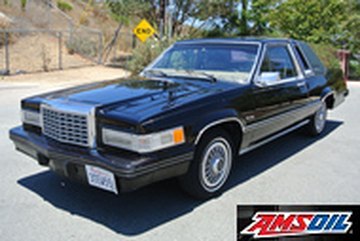
Maintaining Lubrication Integrity for the 1982 Ford THUNDERBIRD 3.8L
Proper engine maintenance for a vehicle of this era requires a focus on consistent monitoring and proactive inspection. For owners of a 1982 Ford THUNDERBIRD equipped with the 3.8L engine, staying ahead of potential lubrication issues is a key component of long-term mechanical health. Because older engines may exhibit different behaviors than modern counterparts, understanding how to observe and respond to changes in fluid condition is essential.Monitoring Fluid Condition and Potential Leaks
One of the most effective ways to monitor the health of the 3.8L engine is through regular visual inspections. Rather than waiting for a warning light or a significant mechanical change, an owner can gain valuable information by looking for signs of seepage or leakage around the engine block and associated components. When performing these checks, look for any evidence of fluid escaping from sealing surfaces. Even small amounts of moisture or staining near gaskets and seals can indicate that a component is beginning to age. It is important to note that visible fluid on the exterior of the engine does not always point to a single specific failure; it may simply be an indication that a seal is no longer providing a perfect barrier. Additionally, checking the appearance of the oil itself can provide clues about the internal state of the engine. If the lubricant appears excessively dark, gritty, or contains visible particulates, it may warrant a closer look at the service history or the current condition of the filtration system. Consistent monitoring helps ensure that any changes in how the engine operates are addressed before they escalate into more significant concerns.Observing Changes in Engine Operation
While visual inspections are vital, an owner should also remain attentive to how the vehicle behaves during normal operation. Changes in the way the 3.8L engine sounds or runs can sometimes be associated with lubrication status. For example, unusual mechanical noises that occur during startup or while idling may indicate that the lubricant is not reaching certain areas as efficiently as intended. If you notice any changes in how the vehicle performs—such as a change in smoothness or unexpected shifts in operating temperature—these should be investigated. It is also helpful to monitor for any unusual exhaust characteristics. While many factors can influence exhaust appearance, significant changes should never be ignored and may indicate that the engine's internal processes are being affected by the quality or quantity of the lubricant. Always remember that a single symptom, such as an odor or a sound, can have multiple underlying causes. Rather than attempting to diagnose a specific component based on one observation, use these signs as prompts to perform a more thorough inspection or to consult with a professional technician.Prioritizing Maintenance for Aging Engines
As vehicles age, the approach to maintenance often shifts from strictly following a schedule to managing the actual condition of the components. For a 1982 Ford THUNDERBIRD, this means using the current state of the vehicle to dictate service priorities. If you are stepping into ownership of this vehicle without a complete service history, establishing a maintenance baseline is a logical first step. This involves performing a comprehensive inspection of all fluids, belts (if equipped), and hoses to determine their current condition. Once a baseline is established, you can more accurately track how these components degrade over time. When managing an older engine, it is often most effective to address active concerns first. If there is evidence of minor seepage or if the oil appears to be reaching the end of its service life, those tasks should take precedence over non-essential cosmetic maintenance. Keeping a detailed log of every oil change, filter replacement, and observed leak will assist in making informed decisions about whether a part needs simple monitoring or actual replacement.The Role of Lubrication in Engine Longevity
Engine oil performs several vital roles that are necessary for the continued operation of the 3.8L engine. Beyond simply reducing friction between moving parts, the lubricant plays a significant role in managing the thermal environment within the engine. As the engine operates, heat is generated throughout the block and head; the circulating oil helps to carry this heat away from critical areas. Furthermore, the lubricant acts as a cleaning agent. As it circulates, it picks up microscopic debris and combustion byproducts, carrying them toward the filtration system. This process helps prevent the buildup of deposits that could otherwise interfere with the smooth operation of engine components. Maintaining high-quality lubrication is therefore not just about preventing wear, but also about managing the internal cleanliness and temperature of the engine.Practical Inspection of Auxiliary Components
During a routine service or oil change, it is an ideal time to inspect other parts of the engine compartment that are easily accessible. If the vehicle is equipped with various drive belts, these should be checked for signs of deterioration such as cracking, fraying, or glazing. Similarly, if hoses are present and visible, inspecting them for softness, swelling, or leaks can prevent unexpected cooling or vacuum issues. Checking electrical connections and wiring harnesses for signs of corrosion or heat damage is also a prudent step. In an older vehicle, the integrity of these connections can impact how sensors communicate with the engine, which in turn affects overall performance and monitoring accuracy. By combining oil maintenance with these general inspections, you ensure a more holistic approach to vehicle care.Buying Engine Oil for your 1982 Ford THUNDERBIRD 3.8L
When it is time to replenish the lubricant in your engine, the most important step is to match the product to the specific requirements of your application. Do not rely on general assumptions about what an older vehicle might need; instead, refer directly to the application-specific viscosity and oil information provided on this webpage. When selecting a product, consider the following:- Verify the Viscosity: Ensure the SAE viscosity grade matches the information displayed in the technical specifications above.
- Check API Certifications: Look for modern API service classifications on the bottle to ensure the oil meets current standards for quality and additive packages.
- Evaluate Formulations: Depending on your specific needs, you may choose between conventional, synthetic blend, or full synthetic oils. Some high-mileage formulations are also available, which contain additives intended for use in aging engines.
- Inspect the Label: Always read the product packaging carefully to confirm that the oil is appropriate for your engine type and meets the necessary performance criteria.